

In the competitive landscape of online business, effective website design and strong SEO practices form the foundation for success. Enhancing your site's architecture boosts visibility and improves user experience, leading to better engagement and conversions. A well-structured website is essential for attracting and retaining customers: it allows search engines to crawl your site efficiently while giving visitors a seamless browsing experience. Read on for actionable strategies to optimize your site's structure and improve SEO performance.
Key Takeaways
- A clear site structure enhances user experience and improves SEO performance
- Organizing content logically simplifies navigation and aids search engine crawling
- Effective internal linking boosts engagement and helps search engines understand content relationships
- Regular assessments of site structure keep it aligned with user needs and SEO standards
- Descriptive URLs improve visibility and make navigation easier for users
Understanding the Role of Site Structure in SEO
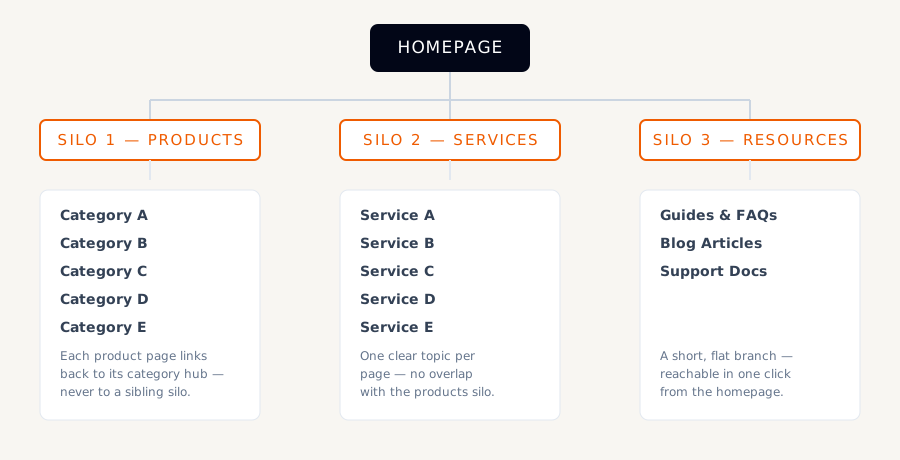
Your website's architecture plays a pivotal role in its SEO performance. A well-defined site structure, often organized in silos, not only helps search engines crawl your pages but also significantly improves the user experience. When your site's navigation flows logically from the home page to relevant subpages, it reduces the risk of content cannibalization, where multiple pages compete for the same keyword rankings. This kind of structure also supports the rest of a business's digital presence — pairing a clean architecture with services like online reputation management keeps a brand's whole online footprint working together. Understanding these elements helps you create a cohesive experience that resonates with both users and search engines.
Defining Site Structure and Its SEO Benefits
A clear site structure organizes your content in a way that improves both navigation and readability. Using descriptive alt attributes for images and a properly structured XML sitemap helps search engines understand your content accurately while improving user engagement. Well-designed layout further supports an appealing, easy-to-use experience, making it simple for visitors to find the information they need.
How Improved Site Structure Affects User Experience
An improved site structure enhances user experience by making pages easier to read and navigate. When visitors can move through your site easily, they spend more time engaging with your content, which reduces bounce rates and improves overall satisfaction. A well-organized site also accommodates visitors with disabilities, helping ensure all users can access the information you want search engines to promote.
Benefits of a solid site structure include:
- Improved web page readability and engagement
- More effective content creation
- Better accessibility for users with disabilities
- Stronger performance with search engine algorithms
The Link Between Site Structure and Search Engine Crawling
A well-organized site structure directly affects how search engines crawl and index your website. Using logical permalinks and correctly configured sitemaps improves both relevance and usability, making it easier for search engines to interpret your content. This clear navigation benefits search engines and visitors alike, encouraging deeper exploration of your site. The platform underneath your pages matters here too — it's a big part of why we moved web-jive.com itself off plugin-heavy hosting and onto our own flat-file mini-CMS, built from the ground up for fast, clean crawling.
A well-organized site structure isn't just beneficial — it's essential for strong SEO performance. Next, let's look at the strategic planning that lays the foundation for your website's success.
Strategic Planning for Your Site's Structure
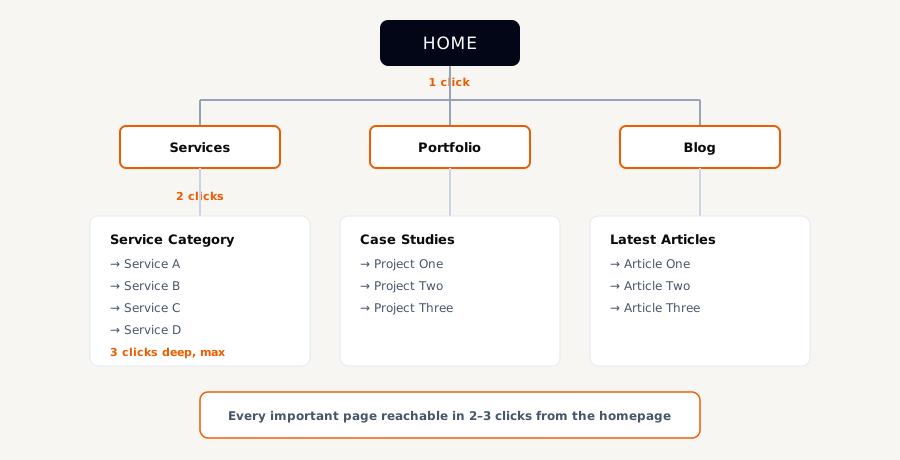
A well-thought-out hierarchy for your content is fundamental to effective search engine optimization. Organizing your pages logically creates an intuitive navigation system that guides users seamlessly through your site. This approach improves user experience and helps search engines crawl and index your content efficiently. Implementing pagination helps manage larger data sets, while rich metadata adds further context to your landing pages. Together, these elements lay the groundwork for improved visibility and stronger engagement with your target audience.
Establishing a Hierarchy for Your Content
Establishing a clear hierarchy for your content is a critical step in improving your website's structure. Organizing information clearly helps visitors navigate your site more effectively and makes it easier to find what they're looking for. Well-placed anchor links can guide users to related topics or FAQs, while an organized library of resources makes it easy for them to find what they need.
Key components of a successful content hierarchy include:
- Clear, descriptive headings that categorize content
- Anchor links that connect related topics
- A dedicated FAQ section addressing common questions
- Clear calls to action
- An organized, searchable library of resources
Setting Up an Intuitive Navigation System
An intuitive navigation system strengthens your website's information architecture and boosts visibility. Straightforward, well-designed menus guide users through your content without the frustration caused by keyword stuffing. Web analytics can help you track visitor behavior, so you can refine navigation based on real engagement.
Creating a Sitemap for Better Indexation
A well-structured sitemap improves how search engines index your site. It acts as a roadmap of your website's hierarchy, helping search engines navigate your content and understand how pages relate to one another. Strategically placed internal links within this structure also help direct traffic to the most relevant areas of your site.
| Component | Description |
|---|---|
| Sitemap | A blueprint of your website's structure, guiding search engines and users. |
| Hierarchy | Organizes content to enhance navigation and accessibility. |
| Internal Links | Connect relevant content, improving authority and traffic flow. |
| Calls to Action | Direct users to specific content, enhancing engagement and conversions. |
An effective site structure sets the stage for success, but organization is only part of the picture. Next, let's look at how optimizing your URL structure can drive further SEO gains.
Optimizing URL Structure for SEO Gains
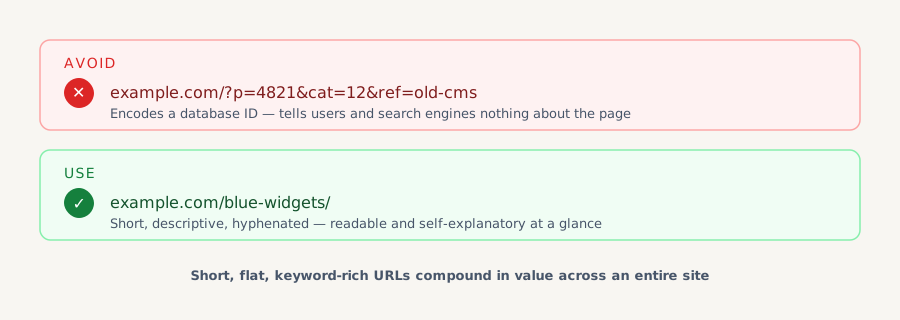
A well-designed URL structure is a foundational part of optimizing your website for search engines, and it directly supports your broader marketing strategy. Descriptive, keyword-rich URLs improve the visibility of your pages in search results, making it easier for potential customers to find your content. Keeping URLs short and readable also improves user experience and makes navigation easier for screen reader technologies, supporting accessibility for all users. Avoiding deeply nested URLs prevents confusion and improves the likelihood that your site will be indexed correctly, leading to better performance and engagement.
Using Descriptive and Keyword-Rich URLs
To improve SEO performance, use descriptive, keyword-rich URLs that reflect your site's architecture. Clear organization and categorization boost your search engine rankings and improve accessibility for users navigating your content. Thorough research, combined with relevant keywords in your URLs, creates a seamless experience for both search engines and potential customers.
Keeping URL Lengths Short and Readable
Short, readable URLs improve user experience and can reduce your site's bounce rate. Concise URLs are easier for users to understand and support smoother navigation and interaction with your content. Shorter URLs also help reduce issues related to duplicate content, since they're easier for both users and search engines to tell apart and remember.
| Element | Description |
|---|---|
| Short URLs | Enhances clarity and usability for site visitors. |
| Reduced Bounce Rate | Leads to increased user engagement and interest. |
| Keyword Integration | Improves search engine visibility and ranking. |
| Server Efficiency | Decreases load on your server by minimizing redundancy. |
Prioritizing simplicity and clarity in your URL structure builds a more effective online presence — one that attracts and retains customers while driving stronger SEO results.
Avoiding Deep Nested URLs for Better Accessibility
Avoiding deeply nested URLs improves accessibility and helps ensure your brand is easy to discover. Flat URL structures simplify navigation, making content easier to find and supporting more effective search engine indexing. Breadcrumb navigation, paired with a well-structured table of contents, helps direct visitors to relevant information and makes analytics easier to interpret.
Consider the following elements to support accessibility and clarity:
| Element | Description |
|---|---|
| Flat URL Structure | Simplifies navigation and enhances user experience. |
| Breadcrumb Navigation | Helps users track their location within your site. |
| Table of Contents | Provides an overview for easier access to relevant topics. |
| Analytics | Tracks user behavior to refine site structure and content. |
A clear URL structure sets the stage for better SEO performance. Next, let's look at how to strengthen site navigation for both users and search engines.
Enhancing Site Navigation for Users and Search Engines
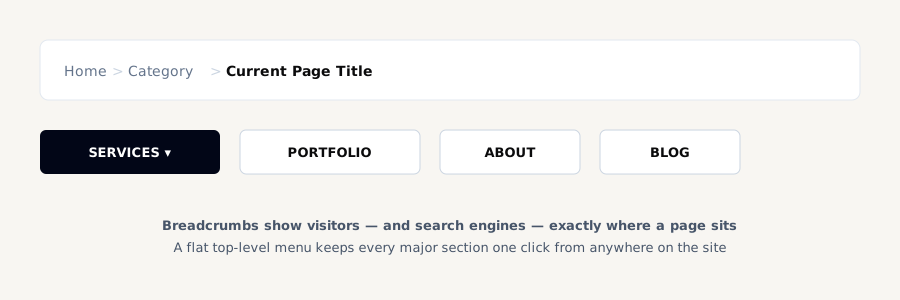
Strong navigation practices are essential to improving your website's architecture and SEO performance. Breadcrumb navigation improves user experience while giving search engines contextual information about your site's structure. A logical menu layout helps visitors find content quickly, and effective use of categories and tags keeps your material organized, making it easier for both users and search engines to discover your cornerstone content. Strategic anchor text throughout your content also connects relevant pages, driving engagement and clarity.
Implementing Breadcrumb Navigation
Breadcrumb navigation strengthens your website's architecture by giving visitors clear pathways that reflect your content's taxonomy. It lets visitors easily trace their steps back to previous pages, improving user experience and keeping your target audience engaged.
The Importance of a Logical Menu Layout
A logical menu layout is essential for guiding users through your site. Organizing menu items clearly and methodically improves user experience, helping visitors find what they need quickly. This kind of intentional design pleases users and signals the relevance and structure of your content to search engines, boosting SEO effectiveness.
Utilizing Categories and Tags Effectively
Categories and tags make your content easier to navigate and find. Clear categories help visitors locate related topics quickly, while tags highlight key concepts or themes, driving deeper engagement. This kind of organization improves user experience and signals to search engines the context and relevance of your pages, strengthening overall SEO performance.
| Element | Description |
|---|---|
| Categories | Broadly organize content for better user navigation. |
| Tags | Highlight specific topics or themes within the content. |
| User Engagement | Encourages visitors to explore related content. |
| SEO Relevance | Improves indexing and ranking of specific topics. |
To fully maximize your site's potential, consider the power of internal linking — a strategy that guides users through your content while improving the visibility of your pages in search results.
Leveraging Internal Linking to Boost SEO
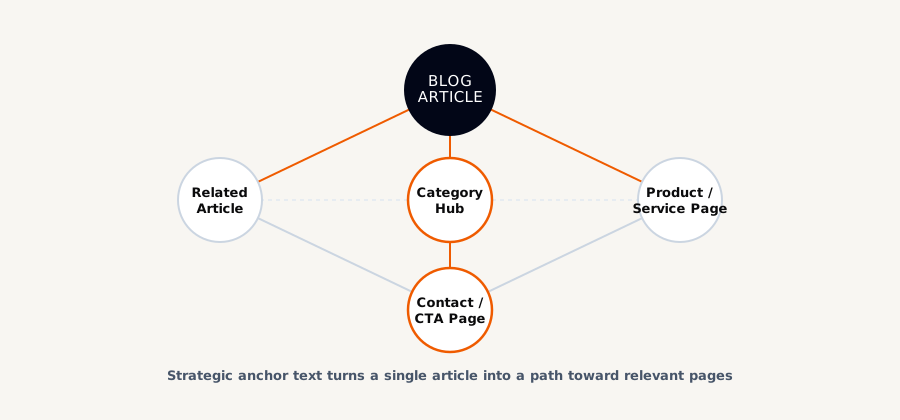
Effective internal linking is a key part of your website's architecture and essential for maximizing your SEO potential. A strong internal link structure guides visitors to relevant content and helps search engines understand the importance and relationships between your pages. Focus on placing internal links where they add the most value, and use strategic anchor text to create contextual relevance. Regularly reviewing your internal links helps you identify gaps or opportunities for improvement, keeping your site well-optimized for both users and search engine crawlers.
Guidelines on Effective Internal Link Placement
To get the most from your internal linking strategy, make sure each link serves a clear purpose in guiding users to valuable content. Link to pages that add context or detail on a topic to strengthen user engagement and experience. Regularly audit your internal links, adjusting placement and anchor text to maintain relevance and help visitors discover related content throughout your site.
Using Anchor Text Strategically for Internal Links
Strategic anchor text is essential to a strong internal linking strategy. Choose descriptive, relevant phrases that clearly indicate what the linked page covers, making it easier for both users and search engines to understand the link's context. This practice boosts user engagement and strengthens the overall SEO effectiveness of your website.
Best practices for using anchor text effectively:
- Use relevant keywords related to the target page
- Avoid generic phrases like "click here" that provide no context
- Vary your phrasing to avoid keyword stuffing and maintain a natural flow
Analyzing and Improving Your Internal Link Structure
Regularly analyze your internal link structure to find opportunities for improvement. Use analytical tools to track user engagement and traffic flow between pages, making sure users can easily reach related content. This data-driven approach helps you optimize links in ways that improve both user experience and search engine discoverability.
- Monitor user behavior to assess link effectiveness
- Identify underperforming pages and adjust their linking strategy
- Refine anchor text for clarity and relevance
- Adjust link placement based on user engagement metrics
Internal linking builds a solid SEO foundation, but the work doesn't stop there — maintaining and refining your site structure is key to sustaining long-term success.
Continuous Improvement and Maintenance of Site Structure
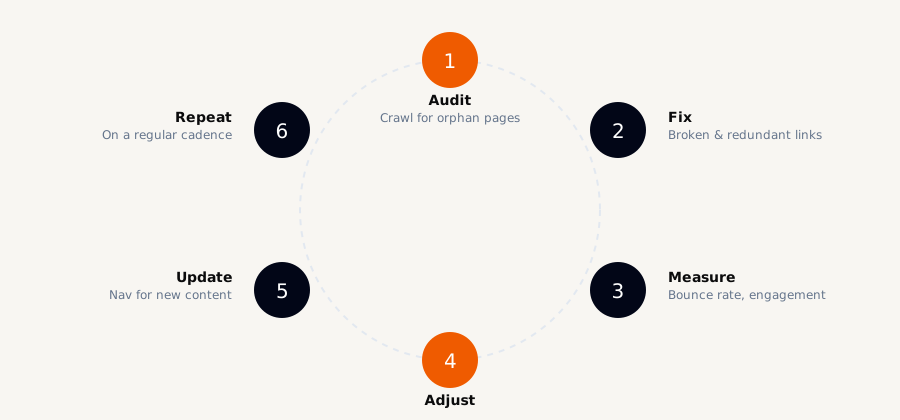
To maintain strong SEO performance and user experience, regularly review and adjust your site's structure. Assess how your content is organized and whether it still aligns with your audience's evolving needs. Keep an eye on SEO performance and engagement metrics, since these indicators show which areas need attention. Update your site structure as you add new content or revise existing information, so your website stays relevant and accessible. This ongoing commitment to improvement helps you stay ahead of competitors and strengthens your connection with visitors as they navigate your site. Reliable hosting keeps that foundation stable, while PPC advertising can drive traffic to the newly-optimized pages once the structural work is done.
Regularly Reviewing and Adjusting Your Site Structure
Regularly evaluating and refining your site's structure is essential for maintaining effective SEO. As your business grows and you add new content, your website needs to adapt — strengthening both user experience and search engine visibility. Proactively adjusting navigation paths, content organization, and internal linking helps you stay aligned with audience expectations and industry standards.
Monitoring SEO Performance and User Engagement Metrics
Monitoring website design and SEO performance alongside user engagement metrics is essential for maintaining an effective site structure. Regularly analyzing data such as page views, bounce rates, and conversion rates gives you insight into user behavior and highlights areas that need improvement. These metrics guide your adjustments, keeping your site user-friendly and optimized for search engines.
Updating Your Site Structure to Reflect Content Updates
As you add new content or revise existing information on your website, adjust the site's structure accordingly. This helps users find updated material easily while helping search engines accurately index your content. A dynamic approach to site organization keeps it relevant and useful for both your audience and search engine algorithms.
| Action Item | Description |
|---|---|
| Audit Existing Content | Review current pages to determine if updates are necessary. |
| Revise Navigation Paths | Adjust menus and links to reflect the latest information and ensure accessibility. |
| Update Internal Links | Modify links to guide users toward the newly relevant content. |
| Monitor User Feedback | Gather insights on how the new changes affect user experience. |
FAQ
Why does site structure matter for SEO?
A clear site structure helps search engines crawl your pages efficiently and improves user experience, reducing bounce rates and boosting engagement. It also helps prevent content cannibalization, where multiple pages compete for the same keyword rankings.
How does site structure improve user experience?
Organized navigation makes pages easier to read and move through, encouraging visitors to spend more time engaging with content. It also improves accessibility for users with disabilities, ensuring everyone can access promoted information.
What role do sitemaps and permalinks play in site structure?
Logical permalinks and correctly configured XML sitemaps help search engines interpret and crawl your content accurately. This clear navigation benefits both search engines and visitors, encouraging deeper exploration of the site.
Conclusion
A well-structured website forms the foundation upon which sustainable SEO performance is built. Logical hierarchies, clean navigation, and optimized internal linking work together to help search engines and users find value efficiently. WebJIVE approaches this work with the precision developed since 2006, applying agentic systems that research, optimize, and adjust strategies continuously. This disciplined, data-driven methodology, delivered without long-term contracts, ensures that architectural improvements translate directly into measurable visibility, stronger rankings, and lasting business growth. That's part of what we check in our free SEO audit — real crawl and structure data on your actual site, not a generic checklist.